


Homeowners in Hialeah often wonder how long a bathroom remodel will last. Will it be two weeks or two months? This is a common question when planning a bathroom update. Learn more about setting a reasonable budget for your bathroom remodel to plan your project effectively.
The time needed for a bathroom remodel depends on its size and scope. Small updates, like new colors or fixtures, can take 1–2 weeks. Medium projects, like new tile and a new vanity, usually take 2–4 weeks. For shower installation services, timelines can vary based on the complexity of the project. Discover bathroom remodel costs for 2026 to understand pricing factors.
Bigger changes, like a new layout or plumbing, can take 4–8+ weeks. Sometimes, it can even take 10+ weeks due to permits, material delays, or unexpected issues. Learn more about what to expect with plumbing and electrical work during renovations.
Several factors can affect how long a bathroom remodel takes. These include permits, the availability of materials, and the schedule of contractors. Local knowledge in Miami-Dade County is also important. Contractors who know Hialeah's building codes and climate can help avoid delays. Our professional bathroom remodeling services in Hialeah are designed to streamline the process. Reference NAHB resources for timeline planning and This Old House bathrooms for project duration insights.
Working with experienced teams can make the remodel go smoother. NKBA-certified designers or trusted local bathroom repair companies can offer help. They provide 3D designs, accurate timelines, and coordinate different tasks like installing showers, tile, and plumbing. Reference Consumer Reports for contractor selection guidance. For expert planning, see our guide on how to plan your bathroom remodel like a pro. Explore our bathroom renovation services for professional solutions.
Key Takeaways
- Minor refreshes: about 1–2 weeks.
- Moderate remodels: typically 2–4 weeks.
- Major overhauls: commonly 4–8+ weeks, sometimes 10+ weeks.
- Permits, materials, contractor availability, and hidden damage drive variability.
- Local Hialeah expertise and certified designers improve predictability.

Understanding the Bathroom Remodeling Process
A clear roadmap helps homeowners move from idea to finished space with less stress. This overview explains the typical steps, from the first meeting to the day work begins. So, clients in Hialeah and greater Miami can set realistic expectations about time and cost.
Initial Consultation
The first meeting brings the homeowner together with a contractor or bath designers. They assess the existing bathroom. They check tile, plumbing, electrical, and any signs of mold or hidden water damage that could extend the schedule.
Goals are defined during this visit. Options might include a modern bathroom makeover, a galley bathroom remodel, a half bath makeover, or hiring master bathroom remodel contractors for a larger project. The team takes initial measurements and discusses budget and timeline expectations.
Small bathroom contractors often flag potential obstacles early, so the estimate reflects likely surprises. Early identification of old plumbing or structural issues reduces costly pauses once demolition starts.
Design Phase
Designers develop layouts, material palettes, and fixture selections. They create plans, mood boards, and sometimes custom elements to match the homeowner's vision and neighborhood character.
Selecting tiles, countertops, vanities, and lighting occurs now. High-end finishes can have long lead times. Choosing products early prevents procurement delays that push the schedule.
Local bath designers balance style and the Miami-Dade climate, suggesting finishes that resist humidity and salt air. They coordinate with suppliers so that custom vanities and specialty tiles arrive on time.
Final Planning
Once designs are set, contractors prepare firm estimates and a detailed scope of work. The contract lists milestones, a payment schedule, and contingency days for weather or permit delays.
Permit applications are completed at this stage. The team schedules trades, orders materials, and confirms who will source items. Clarifying whether the homeowner or contractor buys fixtures prevents procurement gaps.
Practical details are covered before demolition. Temporary bathroom solutions are planned so the household can adapt during construction. Clear scheduling and roles help keep the bathroom rebath on track.
Factors Influencing Remodel Duration
Several key factors determine how long a bathroom remodel will take. These include the room's size, the scope of the work, and the materials used. It's important for contractors and homeowners to consider these when planning budgets and timelines.
Size of the Bathroom
Bigger bathrooms need more work, like demolition and tilework. This makes them take longer than smaller ones. A small bathroom can get minor updates in a week or two. But, a big bathroom remodel might take many weeks.
Even small bathrooms can take longer if they need structural changes. Homeowners should talk to their contractors about how size and layout affect the project's timeline.
Scope of the Project
Simple updates like painting or changing fixtures can be done in a week or two. More involved projects, like adding a new vanity, might take two to four weeks. For countertop and vanity installation, plan for additional time based on customization needs.
Big changes, like moving plumbing or adding custom tile, can take four to eight weeks or more. Contractors handling these projects need to plan for inspections and how to do the work in stages. Discover hidden issues that can complicate your bathroom remodel and extend timelines.
Material Selection
The availability of materials can affect how fast a project is finished. Items from brands like Kohler or Delta might be backordered, causing delays.
Choosing materials that are easy to find or ordering them early can help. For projects that include adding a new bathroom, the cost and time needed for custom pieces should be considered.
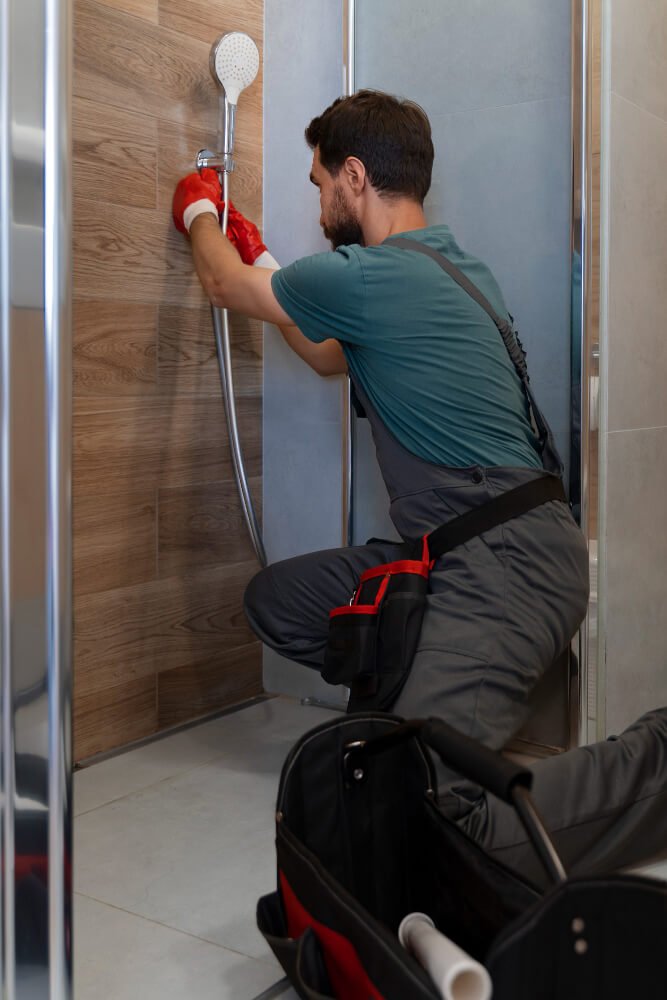
| Factor | Typical Time Impact | Example |
|---|---|---|
| Room Size | Small: 1–2 weeks; Large: 4–8+ weeks | Large bathroom remodel with dual sinks and tub-to-shower conversion |
| Project Scope | Cosmetic: 1–2 weeks; Major: 4–8+ weeks | Full plumbing reroute for improved layout |
| Material Availability | Immediate: no delay; Backorder: 2–6+ weeks | Custom vanity vs RTA cabinets for faster install |
| Contractor Experience | Experienced teams reduce rework and downtime | Small bathroom contractors familiar with local permits |
| Budget and Cost Decisions | Higher budget can speed timeline; tight budgets may extend it | Average cost of bathroom addition influences finish level and schedule |
| Permits and Inspections | Can add days to weeks depending on jurisdiction | Adding a new bathroom to a house cost estimate should include permit fees |
Common Bathroom Remodel Phases
Bathroom remodels go through stages that help track progress and budget. This includes costs for shower installation or tub replacement. A clear timeline helps avoid surprises and keeps contractors on track.
Demo and Preparation
Demolition for a bathroom remodel usually takes one to two days. Crews remove old fixtures, flooring, and walls that aren't holding up the house.
They also protect nearby rooms and vents. Debris is bagged and taken away to local disposal sites.
When surfaces are opened, hidden problems like rot, mold, or corroded plumbing may be found. This can extend the schedule and require extra permits or repairs.
Installation of Major Fixtures
Rough-in plumbing and electrical work takes two to five days. This stage prepares lines for tubs, showers, vanities, and toilets.
Framing and drywall follow, taking two to three days. This step makes walls ready for tile or panels.
Next, installers put in tubs and showers. Before finishing, plumbing and electrical must pass permit inspections. Permit times in Miami-Dade can vary, adding days or weeks.
Finishing Touches
Tilework can take three to seven days, depending on the design. Using custom patterns or large-format tile can affect the timeline.
Flooring that's not tile installs in one to two days. Hooking up fixtures and adding cabinet hardware takes another day or two.
Painting, trim, final caulking, and sealing complete the look. Final inspections and touch-ups need one to two days before the homeowner gets the keys.
| Phase | Typical Duration | Key Activities | Potential Delays |
|---|---|---|---|
| Demo and Preparation | 1–2 days | Remove fixtures, flooring, protect home, debris disposal | Hidden rot or mold, structural surprises |
| Rough-in Plumbing & Electrical | 2–5 days | Run lines for tubs, showers, toilets, electrical outlets | Failed inspections, permit wait times |
| Framing & Drywall | 2–3 days | Frame new walls, hang and finish drywall | Material backorders, moisture remediation |
| Major Fixture Installation | 1–3 days | Install tub replacement units, showers, vanities, toilets | Delivery delays, complexity of shower installation costs |
| Tile & Flooring | 3–7 days | Bathroom tile installation, grout, sealing, non-tile floors | Complex patterns, skilled labor availability |
| Finishing Work | 1–2 days | Painting, trim, hardware, final caulking, sealing | Touch-up needs discovered at final inspection |
| Final Inspections & Handover | 1–2 days | Municipal inspections, contractor walk-through, client sign-off | Inspection scheduling, correction orders |
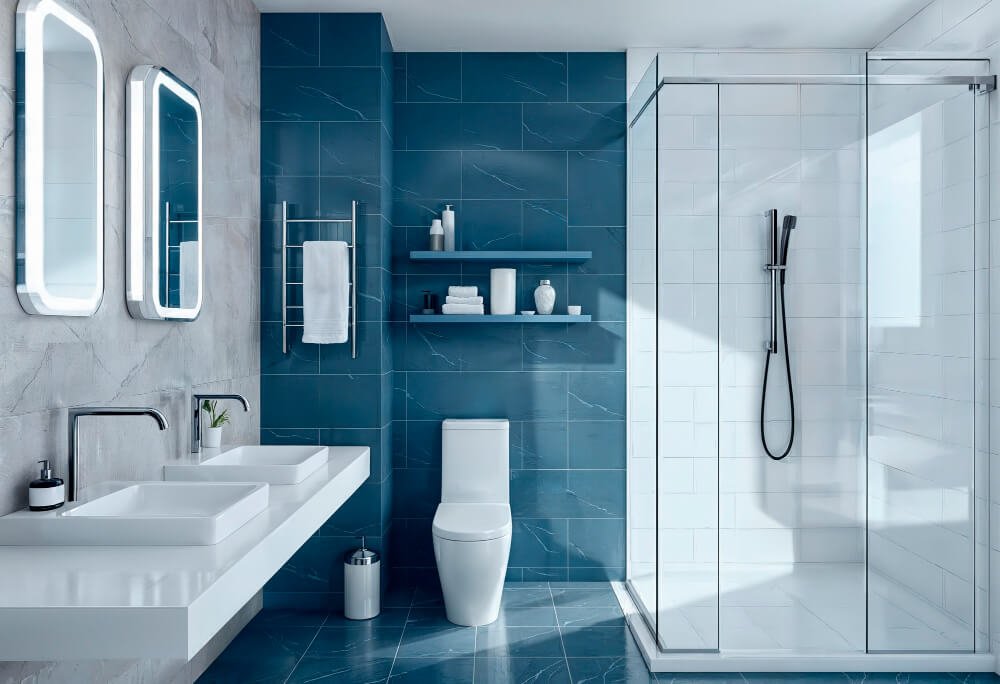
Average Timeframe for Bathroom Remodels
How long a bathroom remodel takes depends on several things. These include the project's size, the materials used, and if a permit is needed. Knowing the average time helps homeowners plan better and budget wisely. Here are typical times for different bathroom sizes and what can make the project longer or shorter.
Small Bathrooms
Small updates like painting, a new vanity, and new fixtures can be done in 1–2 weeks. But, if plumbing changes or structural work is needed, it might take 6–8+ weeks. The cost for small bathroom remodels varies based on the materials and the contractor's experience. Choosing quick options and working with experienced contractors can help finish the job faster.
Medium-sized Bathrooms
Renovations with new countertops, tile, and minor changes usually take 2–4 weeks. Remember to add time for permits, inspections, and waiting for materials. If you're adding custom cabinets or specialty tile, the project might take longer.
Large Master Suites
Big changes like full plumbing reconfiguration and structural changes can take 4–8+ weeks. Even more complex projects might need 10+ weeks. Homeowners should plan for longer times and possible delays while waiting for parts or inspections.
The table below gives a quick look at the typical times and costs for small, medium, and large projects.
| Project Size | Typical Duration | Key Cost Drivers | Common Delays |
|---|---|---|---|
| Small bathroom | 1–2 weeks (cosmetic), up to 6–8+ weeks (with plumbing/structural) | Fixtures, flooring, contractor hourly rates | Plumbing changes, supply shortages |
| Medium bathroom | 2–4 weeks | Tile, cabinets, minor layout changes | Permit wait times, material lead times |
| Large master suite | 4–8+ weeks, sometimes 10+ weeks | Custom tilework, structural work, plumbing reconfiguration | Inspections, specialized trades, backorders |
Importance of Hiring Local Professionals
Choosing local experts can make your project faster and cheaper. They know the local rules and who to work with. This knowledge helps your project run smoothly in Hialeah and Miami.
Knowledge of Local Building Codes
Local contractors know all about Miami-Dade building codes. They know what permits you need and when inspections happen. This saves time and money by avoiding costly mistakes.
For bathroom remodels in Hialeah, they keep up with hurricane safety and plumbing rules. They're ready for any questions from inspectors. This keeps your project on schedule.
Area-Dependent Design Trends
Local pros know what looks good in your area. They pick materials and designs that fit well in Hialeah's climate. This ensures your bathroom looks great and lasts long.
Looking for a small bathroom contractor? Local experts suggest designs that appeal to local buyers. For luxury master bathrooms, they balance high-end features with what sells well.
Current Construction Standards
Local teams have good relationships with suppliers and subcontractors. This makes getting materials and scheduling easier. It means you get what you need faster.
They also know how to handle inspections and visits from subcontractors. This makes your bathroom remodel go smoothly. You won't have to deal with as many delays.
Scheduling Your Bathroom Remodel
Choosing the right time can make your project smoother. In Hialeah, Florida, the mild winters are great for work. But, hurricane season and summer can slow things down.
Think about the weather, how long it takes to get materials, and your own schedule. This helps plan your bathroom remodel better.
Best Times of Year for Remodeling
Winter is usually the best time in South Florida. Contractors are less busy, and suppliers can keep up better.
Stay away from hurricane season, from June to November. Storms can stop work and delay your project. Summer is also busy with vacation homes, making it hard to find crews quickly.
Planning Around Your Schedule
Plan your remodel around important times like vacations and holidays. This way, you won't have to deal with too much disruption. If your main bathroom is being remodeled, make sure you have a backup plan.
Include extra time in your contract for things like getting permits and waiting for materials. Set clear goals for each stage of the project. This helps keep things on track with your schedule.
Communication with Contractors
Have one person to talk to for all the details. This makes sure everyone is on the same page. Regular updates and check-ins help avoid delays and unexpected changes.
Make sure you have a written plan that includes backup plans for delays. Your agreement should also say who buys materials and how to handle changes.
When looking for help, compare local options. Use phrases like "bathroom repair companies near me" to find them. Good planning and clear communication with your contractor are key to a successful remodel.
| Timing Factor | Impact on Schedule | Practical Tip |
|---|---|---|
| Seasonality | Winter offers steadier contractor availability; hurricane season can cause delays | Target late fall or winter start dates in Hialeah for fewer interruptions |
| Personal Calendar | Vacations and holidays can complicate access and deadlines | Block out major family events before final scheduling |
| Permits and Inspections | Permit processing varies; inspections create fixed milestones | Factor 2–4 weeks for permits into planning bathroom remodel timelines |
| Material Lead Times | Custom items extend schedule; stock items move faster | Choose standard finishes when a faster turnaround is needed |
| Contractor Workload | Busy periods delay start dates and lengthen projects | Request written start dates and include buffer days in contracts |
Managing Expectations During the Remodel
A remodel has many parts to manage. Good planning helps set realistic timelines and budgets. This section talks about common issues and how to keep things moving smoothly.
Potential Delays and Setbacks
Getting permits can take longer, especially in busy places. Material backorders and shipping holds can cause delays. Hidden damage found during demolition often needs extra work and approvals.
Contractor scheduling conflicts and re-inspections can add extra days. Homeowners should plan for these delays and extra time in their budget.
Staying Flexible
Focus on the must-haves and be open to changes if needed. Choosing a different tile or faucet can help keep things moving. Being flexible with finishes and details can avoid costly delays.
Quick decisions on changes help keep the project on track. This way, purchases and installations can happen without pause.
Regular Updates from Contractors
Set a regular time for updates, like daily or weekly. Photos and checklists help track progress. This keeps everyone informed.
Write down any changes to the plan. This makes it clear how it affects the budget and timeline. Quick responses from homeowners help avoid more delays.
| Issue | Typical Cause | Practical Response |
|---|---|---|
| Permit Holdups | Municipal backlog or incomplete applications | Submit complete plans early and follow up with the local building department |
| Material Backorders | Supply-chain limits or high demand for specific finishes | Choose readily available alternatives and approve substitutions promptly |
| Hidden Damage | Rot, mold, or outdated wiring revealed during demo | Budget contingency and schedule buffers for repairs and re-inspection |
| Contractor Conflicts | Crew overlap, illness, or subcontractor delays | Agree on a communication plan and request regular updates from contractors |
| Inspection Delays | Inspector availability or failed first inspection | Schedule inspections early and correct issues quickly with written change orders |
Trends Impacting Remodel Timelines
Remodelers and homeowners face a challenge. They must balance design wants with the reality of time. Trends can affect how long a project takes, the labor needed, and the steps for inspections.
Popular Design Features
Today's bathrooms often feature walk-in showers and wet rooms. They also have floating vanities and large tiles. These styles are sleek but can add to the time needed for tile work and grouting.
Custom cabinets and luxury finishes require more time to get. Adding universal design elements, like curbless showers, may also extend the project. This is because they might need changes to the structure, affecting the rough-in and waterproofing phases.
Eco-Friendly Options
Choosing eco-friendly options like low-flow fixtures and reclaimed materials takes coordination. Suppliers for these items may have longer lead times. Low-VOC paints and sustainable underlayments also need extra time.
These choices might require certified installers. This can affect the schedule but improves the home's value and energy efficiency.
Technology Innovations in Bathrooms
Modern bathrooms include smart showers and integrated lighting. Heated floors and sensor-activated fixtures are also popular. These features need upgraded electrical systems and skilled electricians for setup.
Supply chain issues with smart devices can delay the project. Contractors must plan for electrical inspections around these installations.
Here's a comparison of common trend-driven features, the extra time they add, and the trades involved.
| Feature | Typical Additional Time | Key Trades | Notes |
|---|---|---|---|
| Walk-in/curbless shower | 3–7 days | Tiler, plumber, waterproofing specialist | May need slab or subfloor modification for proper slope. |
| Large-format tile installation | 2–5 days | Tiler, installer | Requires skilled setting and longer curing times for adhesives. |
| Custom cabinetry and luxury finishes | 2–6 weeks (lead time) | Cabinetmaker, carpenter | Procurement delays common; allow buffer in schedule. |
| Low-flow fixtures and tankless heaters | 1–4 days | Plumber, HVAC technician | Special permits or venting may be required for tankless units. |
| Heated floors and smart controls | 3–8 days | Electrician, flooring contractor | Electrical panel capacity and wiring must be verified early. |
| Sensor fixtures and smart showers | 2–6 days | Plumber, electrician, integrator | Device lead times vary; firmware updates can delay final setup. |
| Eco-friendly materials (reclaimed, low-VOC) | 1–3 weeks (procurement) | Supplier, installer | Special certifications may extend approval or inspection timelines. |
A bath planet remodel with these trends needs careful planning. Talking early with suppliers and trades helps avoid surprises. Clear timelines ensure everyone knows what to expect, especially when adding modern, eco-friendly, and tech features.
Post-Remodel Maintenance
After a remodel, it's important to have a simple maintenance plan. This helps keep your bathroom looking good and working well. By following these tips, you can save money and keep your bathroom in top shape.
Tips for Long-lasting Finishes
Seal your grout within a month of putting in the tiles. Then, reseal it every year in wet areas. Use the right caulking and fix any cracks right away.
Choose paints and sealers that can handle moisture. For surfaces like Caesarstone, follow the care instructions to avoid damage.
Routine Care for Fixtures
Check your faucets, shower valves, and supply lines every month. Tighten any loose parts. Clean your aerators and showerheads to keep water flowing well.
Soak parts in vinegar to remove mineral buildup. Use gentle cleaners to protect your fixtures. In humid places, clean your exhaust fan every six months to stop mold.
Periodic Upgrades to Consider
Replace old caulk and reglaze tubs when needed. Update your cabinet hardware and towel bars for a fresh look. Consider getting water-saving toilets and smart fixtures to save money and energy.
Small updates are often cheaper and quicker than big repairs. They're a smart way to keep your bathroom looking great.
| Task | Frequency | Benefit | Estimated Cost Range |
|---|---|---|---|
| Grout sealing | Annually | Prevents stains and mildew | $50–$200 (DIY to pro) |
| Caulk replacement | Every 2–3 years or as needed | Maintains watertight seals | $10–$150 (materials to service) |
| Fixture inspection & tightening | Monthly | Prevents leaks and water waste | $0–$100 (mostly DIY) |
| Showerhead and aerator cleaning | Quarterly | Restores flow and efficiency | $0–$30 (DIY parts) |
| Exhaust fan servicing | Biannually | Reduces mold risk in humid climates | $30–$200 (cleaning to replacement) |
| Upgrade to water-efficient toilet or smart fixture | Every 7–15 years | Saves water and boosts resale value | $200–$1,200 (unit and installation; shower installation costs vary) |
Conclusion: Maximizing Value from Your Bathroom Remodel
A smart bathroom remodel meets daily needs, resale goals, and local climate realities. Hialeah homeowners should match the remodel's scope to their lifestyle and resale targets. They should also choose durable materials that resist humidity and salt air.
It's important to pick climate-appropriate tiles and finishes. Selecting key upgrades early can lower the cost of adding a bathroom. This includes the expenses of adding a new bathroom to a house.
Well-planned work boosts home value and appeal to buyers. Modern finishes, energy-efficient fixtures, and practical layouts often offer the best returns. Homeowners should talk to local realtors or appraisers for neighborhood-specific advice before a bathroom rebath or larger remodel.
This ensures expected value gains match market realities.
Creating a personal oasis begins with realistic timelines and hiring local pros who know Miami-Dade requirements. Good planning, reliable contractors, and weather-resistant choices help transform an outdated space into a stylish retreat. Contact Hialeah bathroom remodeling experts for estimates and design consultations to make your vision a reality.
FAQ
How long does a typical bathroom remodel in Hialeah take from start to finish?
The time it takes varies. Small updates can be done in 1–2 weeks. Medium remodels, like new vanities and tile, take 2–4 weeks. Big changes, like plumbing work, can take 4–8 weeks or more.
Factors like permits, material availability, and unexpected issues also play a role.
What happens at the initial consultation in Hialeah?
At the first meeting, we assess your current bathroom and discuss your goals. We talk about your budget and timeline. We also check for any hidden problems.
How long does the design phase take and why is it important?
Designing your bathroom can take a few days to weeks. It's important because it sets the look and feel of your space. We consider Miami-Dade's climate and styles.
Choosing materials early helps avoid delays.
What is included in the final planning stage before work begins?
We finalize the plan, including a detailed contract and payment schedule. We also apply for permits and create a construction timeline. It's important to know who buys materials and who sets up a temporary bathroom.
How does bathroom size affect the remodel timeline?
Bigger bathrooms need more work, like plumbing changes and more tile. This makes the project longer. Smaller bathrooms can be updated quickly, but bigger changes take longer.
How does the project scope change the timeline?
Cosmetic updates are quick, taking 1–2 weeks. Medium remodels, like new vanities and tile, take 2–4 weeks. Big projects, with plumbing and structural changes, can take 4–8 weeks or more.
Can material selection delay a remodel?
Yes, choosing special items can cause delays. Getting materials early and choosing easy-to-find options helps keep the project on track.
What happens during demolition and preparation?
Demolition removes old items and walls, taking 1–2 days. We protect your home and handle the mess. Sometimes, we find hidden damage that adds time and cost.
How long does rough-in and major fixture installation take?
Plumbing and electrical work take 2–5 days. Framing and drywall take 2–3 days. Installing big items like tubs and vanities depends on the complexity and inspections.
Permits and inspections in Miami-Dade can add days or weeks.
What are the typical timeframes for final finishes?
Tile work takes 3–7 days, depending on the pattern. Flooring for non-tile areas takes 1–2 days. Final touches like painting and caulking take 1–2 days.
Final inspections and touch-ups usually take 1–2 days before you can use your new bathroom.
How long do small bathroom remodels usually take?
Small updates, like new paint and fixtures, can be done in 1–2 weeks. If you need plumbing changes or structural work, it can take 6–8 weeks or more.
What is the average timeframe for medium-sized bathroom remodels?
Medium remodels, like new vanities and tile, usually take 2–4 weeks. We add buffer time for permits and material lead times.
How long do large master suite remodels take?
Big remodels, with layout changes and custom tile, take 4–8 weeks or more. They can take up to 10 weeks for complex projects.
Why is hiring local Hialeah professionals important?
Local experts know Miami-Dade's building codes and climate. They have good relationships with suppliers and subcontractors. This helps avoid delays and rework.
How do local design trends and climate affect material choices?
Professionals recommend materials that resist moisture and humidity. These choices are good for the climate and appeal to local buyers.
How do construction standards and local inspection schedules impact timelines?
Knowing current standards and having good relationships with inspectors can speed up approvals. However, permit processing and inspections in Miami-Dade can still cause delays.
When is the best time of year to schedule a remodel in Hialeah?
The mild winters are ideal. Avoiding hurricane season and peak summer months improves contractor availability. Scheduling outside busy times usually leads to faster starts and fewer delays.
How should homeowners plan remodeling around their schedules?
Plan around vacations and holidays. Arrange for temporary bathroom access if needed. Include buffer time for permit waits and material lead times. Clear expectations reduce disruption and stress.
What communication practices keep a remodel on schedule?
Regular updates and milestone check-ins are key. Having a single point of contact and written schedules with contingency clauses helps avoid misalignment. Making timely decisions on selections accelerates the process.
What common delays should homeowners expect?
Delays include permit processing, material backorders, and hidden damage. Contractor scheduling conflicts and re-inspections can also cause delays. Dead days may occur, so contracts should include realistic buffers and contingency plans.
How can homeowners stay flexible during a remodel?
Prioritize must-have items and allow flexibility on secondary choices. For example, choose an alternate tile or faucet model with a similar look but shorter lead time to avoid hold-ups.
How often should contractors provide updates?
Establish a cadence—daily updates for active demo and rough-in phases or weekly reports during longer installations. Use photos, milestone checklists, and written change-order documentation to keep everyone aligned.
Which popular design features extend remodel timelines?
Features like walk-in showers, wet rooms, and custom tile patterns require more time. They need specialized trades and can cause delays. Universal design features like curbless showers may also add structural work.
Do eco-friendly options affect the schedule?
Yes, eco-friendly fixtures and materials may require specialized suppliers and installers. This can add lead time. They often increase long-term value and efficiency despite potential schedule impacts.
How do smart technologies influence remodel timing?
Smart technologies, like integrated lighting controls and heated floors, require additional electrical work. They need skilled installers. Device availability and supply chain variability for smart components can lengthen rough-in and final hookup phases.
What maintenance ensures long-lasting finishes after a remodel?
Seal grout, use proper caulking, and re-seal natural stone as needed. Choose durable, moisture-resistant paint. Regular grout sealing and following care instructions help preserve appearance and function.
What routine care should homeowners perform on fixtures?
Inspect for leaks, tighten loose fittings, clean aerators and showerheads, and use gentle cleaners. Regular exhaust fan maintenance is important in Florida's humid climate to prevent mold.
What periodic upgrades are worth planning for future value?
Consider replacing worn caulk, reglazing tubs, refreshing hardware, upgrading to water-efficient toilets, or adding smart fixtures. Small planned upgrades are quicker and less disruptive than large deferred repairs.
How should homeowners align remodel choices with resale goals?
Match the scope and materials to your lifestyle and neighborhood expectations. Prioritize durable materials, climate-appropriate finishes, and energy- or water-efficient fixtures. Consult local realtors or appraisers for market-specific guidance.
How does a well-executed remodel affect home value?
A well-planned and executed bathroom remodel increases buyer appeal and resale value. Modern finishes, practical layouts, and efficient fixtures often yield strong returns when aligned with local preferences in Hialeah and Miami-Dade County.
Who should homeowners contact for estimates and timeline planning in Hialeah?
Homeowners should contact local Hialeah bathroom remodeling experts, NKBA-certified designers, or reputable contractors experienced in Miami-Dade codes and climate considerations for design consultations, estimates, and timeline planning.
Related Articles
Explore our complete range of bathroom remodeling services in Hialeah, Florida.
Professional shower installation and renovation services with expert timelines.
Expert tips for planning your bathroom remodel project from start to finish.